Shed No Tears For Baseball’s Bottom Line
Featured in this edition: Chicago White Sox, Archie Manning, DirecTV and U.S. Open Tennis, the Triple Option podcast, Notre Dame Football
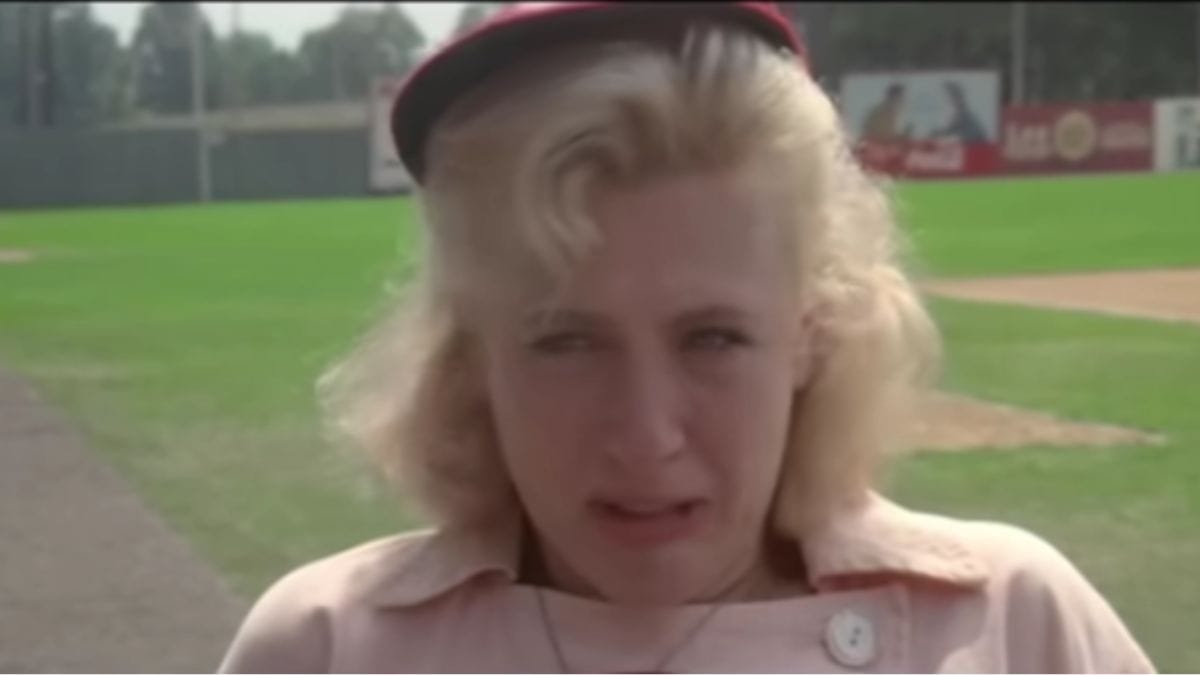
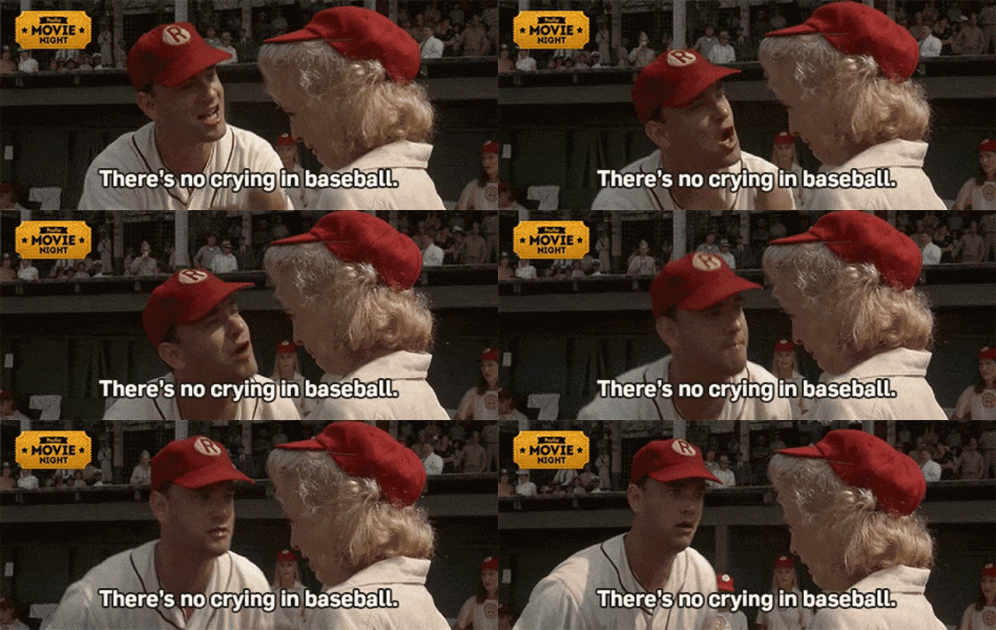
There's no crying in baseball. And no crying for Major League Baseball..
It seemed so sad that in the middle of a TV sports rights spending frenzy, ESPN in February decided to dump its commitment to pay MLB $550 million a year to air 30 regular season games per year, plus the Home Run Derby and a Wild Card playoff round.
Jilted after a 35-year relationship, baseball pouted for a bit before looking around for other suitors for its TV rights.
Before you could sing a chorus of Take Me Out to the Ballgame, ESPN and MLB are back at the altar, reportedly in advanced talks on a three-year deal worth, guess what, about $550 million per year.
According to the Wall Street Journal, the new deal gives ESPN a package of games to televise and stream, local in-market rights for a handful of teams (Cleveland Guardians, San Diego Padres, Minnesota Twins, Arizona Diamondbacks and Colorado Rockies) whose games are being produced and distributed by the league, plus rights to include the MLB Network in its streaming service.
As if that’s not enough of a grand slam for baseball, MLB also is close to a three-year deal with Comcast NBCUniversal to broadcast games on NBC and stream them on Peacock for $200 million a year. The agreement would allow NBC to have a live NFL, NBA or MLB game on Sunday nights 52 weeks a year.
Another deal with Netflix is the cherry on top of the sundae. Netflix appears close to an agreement to stream the Home Run Derby for $5 million annually.
Baseball also has game streaming on Roku and Apple TV+.
It just goes to show you, just when you think maybe the market for sports rights have peaked, there’s another set of would-be media moguls just itching for their turn at bat.
ROOTING FOR THE WORST
I grew up in Queens, within biking distance of Shea Stadium where the New York Mets played. A central part of the Amazin’ Mets mythology was that in 1962, their first season (before my time), they were the worst team EVER with a 40-120 record. “Can’t anyone here play this game,” Manager Casey Stengel and Mets fans wanted to know. The kicker to the Mets story was they rose to be World Series Champions in 1969, just seven years later.
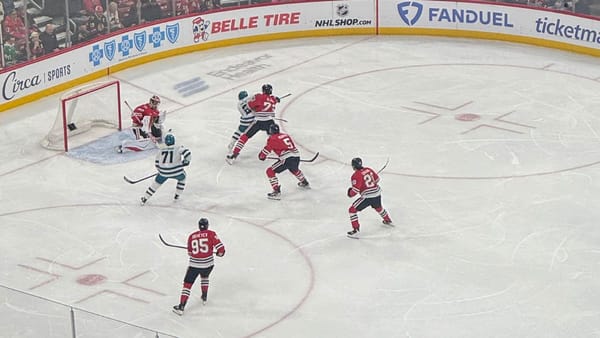
I moved to Chicago in 2005, just in time to root for the White Sox as they won their first World Series in 88 years. I then got to experience the Sox slide from the heights to the depths. It was with mixed emotions that I saw the Sox smash the Mets record for futility, finishing the 2024 season with a 41-121 record.
Earlier this season, it seemed like the Sox wouldn’t hold the record for long. When the Sox played the Colorado Rockies in July, the Sox were 30-60 and the Rockies were 21-69, on pace to break the worst-record record with 124 losses.
For now it seems Chicago’s place in history is safe, with the Rockies having 37 wins (and 94 losses) and the entire month of September ahead of them. Last week, they had won 5 of their last 10 games.
Worst to first. First to worst. One fan’s experience following baseball.
CHEERING FOR ARCH
As long as we’re talking about who I rooted for when I was a kid, Archie Manning was one of the first out-of-town football players I can remember rooting for. When he was drafted second in the “Year of the Quarterback” I started following the New Orleans Saints. Naturally, they lost a lot.
Archie was a college football star at Ol’ Miss, a place I never thought I’d visit. But my daughter is now a second-year student at the University of MIssissippi and I get to enjoy driving where the speed limit is 18, in honor of Manning’s jersey number.
I’m a Jets fan, so I never had much use for Eli, but now there’s Archie’s grandson Arch Manning, a Heisman Trophy candidate as he begins his first season as a starter for Texas. I’m rooting for the kid, but the idea of cheering for the grandson of a player I liked as a kid makes me feel a bit old.
I’D BUY THAT FOR A DOLLAR
Those commercials you see during games on TV really work. Ad in NFL games work best of all. According to a new report from EDO, a research company started by Ed Norton (yes, Worm from Rounders) the average spot in an NFL regular season game generated the same ad impact as 23 ads during the average TV station. The impact is way higher in the playoffs and worth a whopping 1,056 ads during the Super Bowl.
When NFL games were exclusively streamed, the ads showed even more impact than during broadcast games, EDO said.
Having famous football players in those commercials helps too. Those ads showing wide receiver Davante Adams having a Taco Bell stand in his home were 124% more effective than the average ads in an NFL game. Putting Travis Kelce and Patric Mahomes in commercials did pretty good too for advertisers including adidas, Dick’s, State Farm Lowes, Pepsi and Subway.
The most effective ads running in NFL games were for Solo Stove, followed by Mint Mobile, Coldwell Banker, Polestar and JCPenney.
WHAT'S THE RACKET
DirecTV is serving up five additional Court Channels of live coverage during the U.S. Open. Satellite and streaming subscribers will be able to pick who they want to see play during the first week of the tournament when multiple matches are taking place simultaneously.
TRiPLE DOUBLE
Sports podcasts are popular listens, and with college football kicking off, the folks at Sinclair’s AMP Media announced that The Triple Option is back for Season 2,
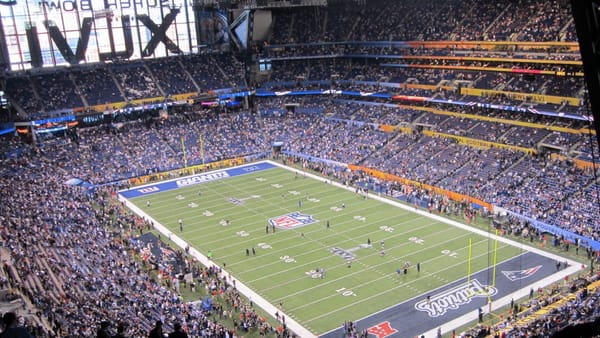
The Trips OPtion is hosted by Urban Meyer, Mark Ingram II and Rob Stone. The first episode of the new season dropped on August 20 and featured an interview with Jeremiah Smith of last season’s National Champion Ohio State. (I was in the stands at Mercedes-Benz Stadium rooting for Notre Dame in the 4th quarter and warned my wife to watch out for No. 4 . Boom 57-yard TD. Game over.
Here’s some business stuff. Wendy’s is Presenting Sponsor of The Triple OPtion, with FanDuel as Gaming Partner, and NHTSA and ZipRecruiter among the returning sponsors.
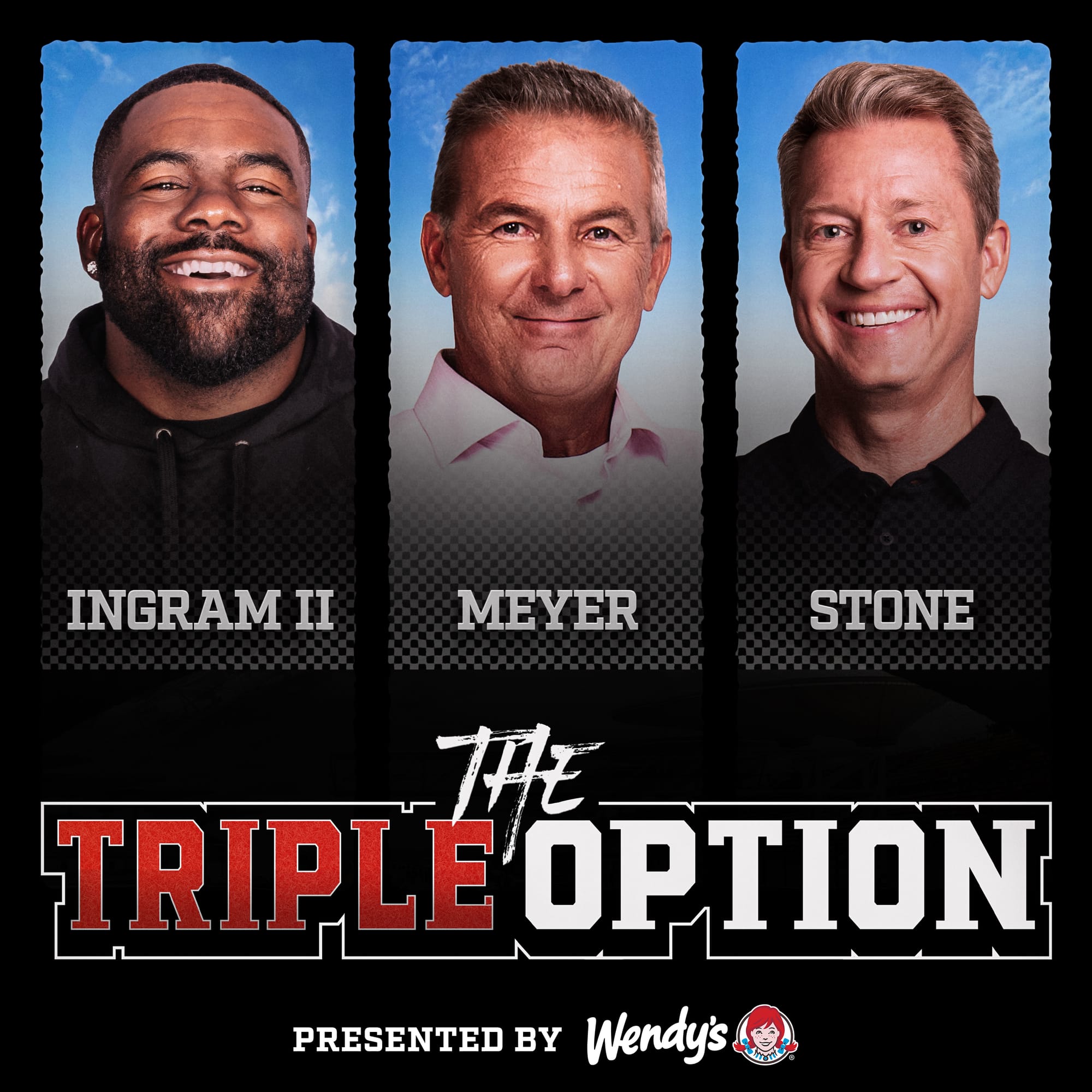
“Our sponsors are an integral part of The Triple Option’s success, helping us turn the show into more than just a podcast — but an experience,” said Eric Welles, Chief Digital Monetization Officer. “With trusted partners returning for Season 2, and new relationships to be announced, we’re building momentum, delivering bigger stories and moments, and connecting brands with one of the most passionate fan bases in sports.”
FIGHTING IRISH
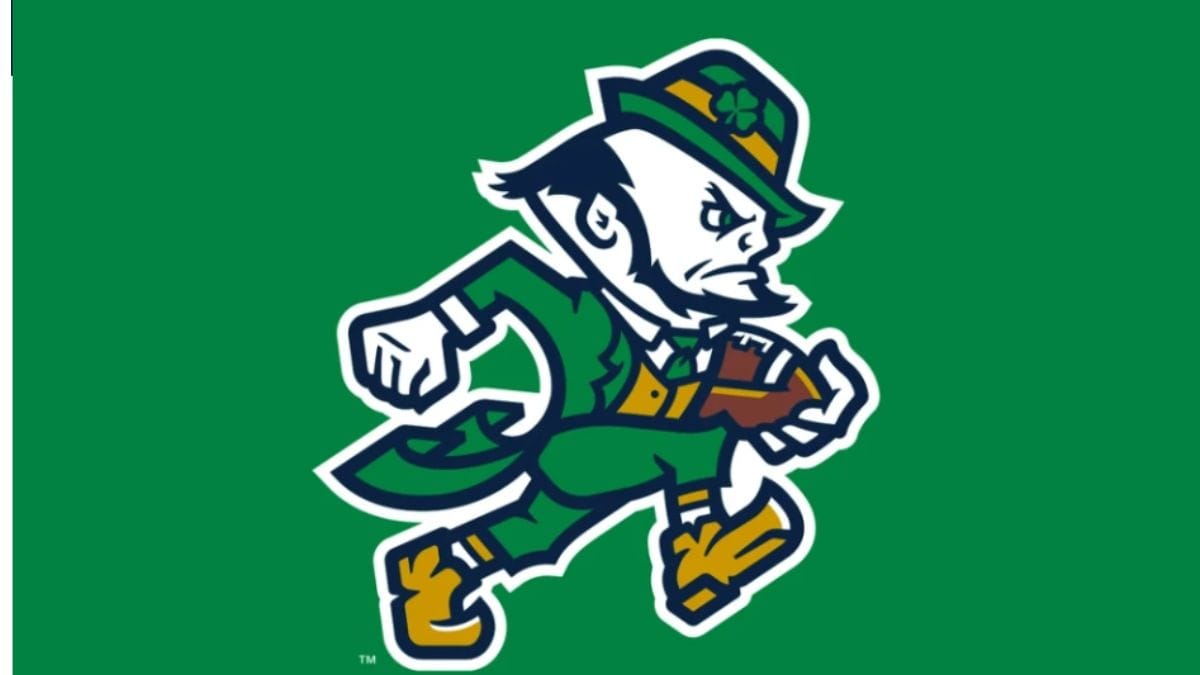
Speaking of Notre Dame, the school has made some changes in its classic Fighting Irish leprechaun logo. Each of the schools teams gets its own version of the leprechaun, with the football version carrying a pigskin under his left arm. Looks like his right hand is still making a fist, but he seems less interested in duking it out than running you over.
Accordion to the ND Football Instagram page, “The Leprechaun represents the tenacious and determined spirit of the Fighting Irish, a relentless desire to seize every opportunity with unity, clarity and purpose what though the odds be great or small.”
A lot like what I’m doing with this newsletter, right?